

Climate Resilient Trees For Life
|
|
Time to read 7 min

|
|
Time to read 7 min
One of the most valuable investments you can make in your garden is to plant more trees.
From a design perspective they provide year-round structure, height and scale. Ecologically, trees offer shade, store carbon and support wildlife with both food and shelter.
But this is no quick return: trees are a long-term project. Their value increases as they grow, and they will need years or even decades before they reach their full potential.
Planting for the future means thinking about what will thrive in your garden not just today and tomorrow, but with the changing climate in 20, 30 or even 50 years’ time.
Whether you are considering hedging, topiary, planting an avenue or looking for a single tree to plant in a small garden, here are some suggestions to guide you and where to think twice.

Mixed native hedging would be my first choice. Add as many species in as possible and if certain species begin to outcompete, the weakest will be naturally thinned out.
Water well for the first 2-3 growing seasons and then the plants should be independent and very resilient.
Hornbeam is coping much better with climate extremes than Beech. It is tough and resilient, and the leaves break down far easier in a garden setting, especially if mulched upon.
I would certainly be looking to avoid Cupressocyparis x leylandii which offers very little biodiversity benefit, does not take pruning very well and can easily get out of hand. I think the popularity of Prunus laurocerasus is decreasing too, for much the same reasons.
Depending on where the project is located in the UK and the soil type and moisture-holding ability, I would still be considering Beech unless the soil is prone to drying out. I have seen sooty moulds, beech-bark disease, honey fungus, woolly aphids and two-spotted mites all attacking Fagus, especially during the hot summer of 2022, where 40 degrees was recorded for the first time, and then again this year during the relentless heatwaves. I would still endorse using Beech in the right place but be cautious in areas which are freely draining and situated in lower-than-average rainfall areas of the UK.
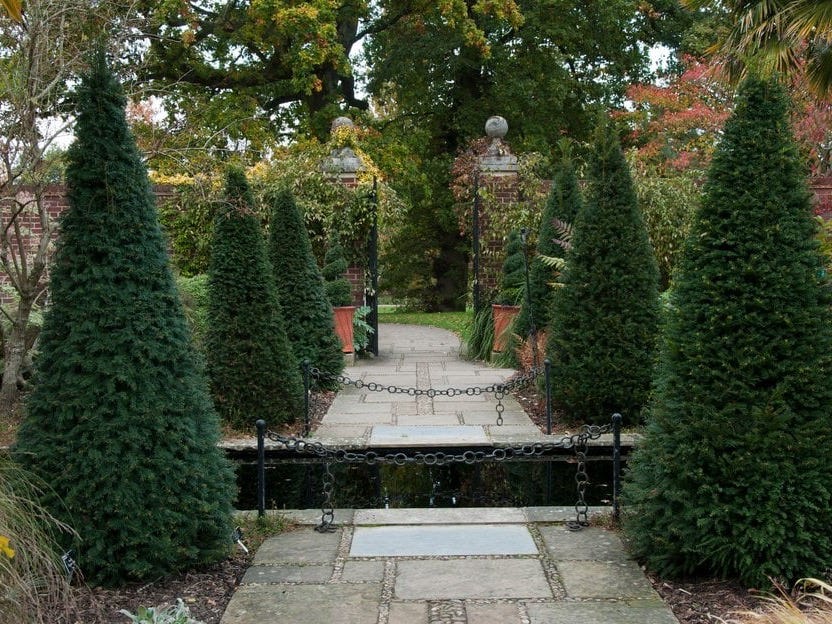
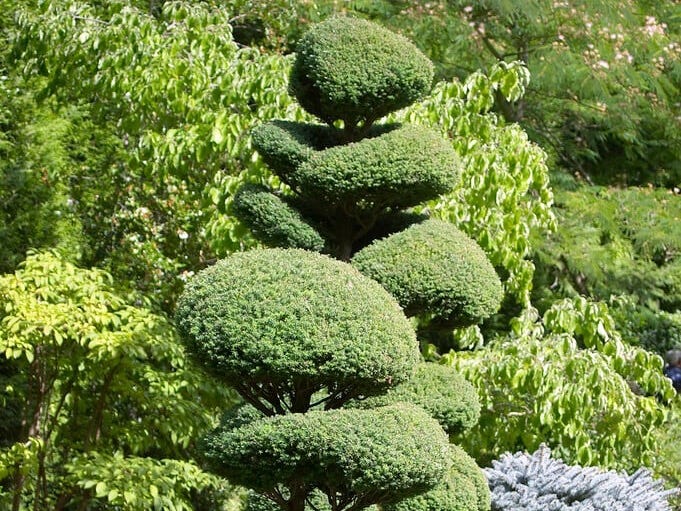
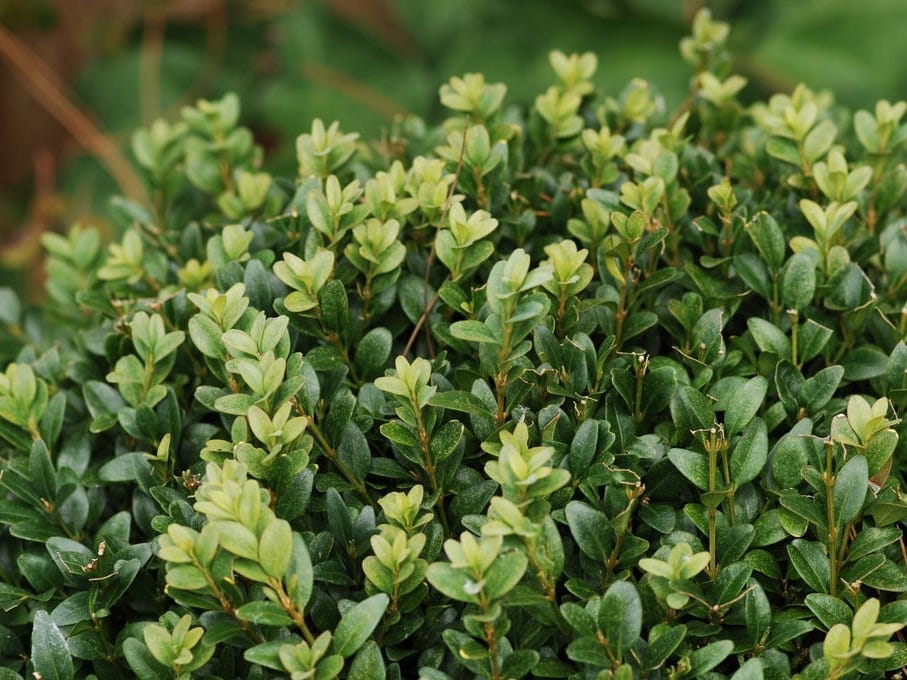
For topiary, Taxus would still be my first choice. Various options have been introduced into the trade to replace Buxus, such as Ilex crenata, but I have never really seen this consistently perform well – it is a fussy plant, needing exactly the right conditions to do well. I would be avoiding Buxus for the Cylindrocladium and Volutella blights, plus the Box Tree Caterpillar.
Taxus baccata
Poor Prospects
Ilex crenata
Buxus
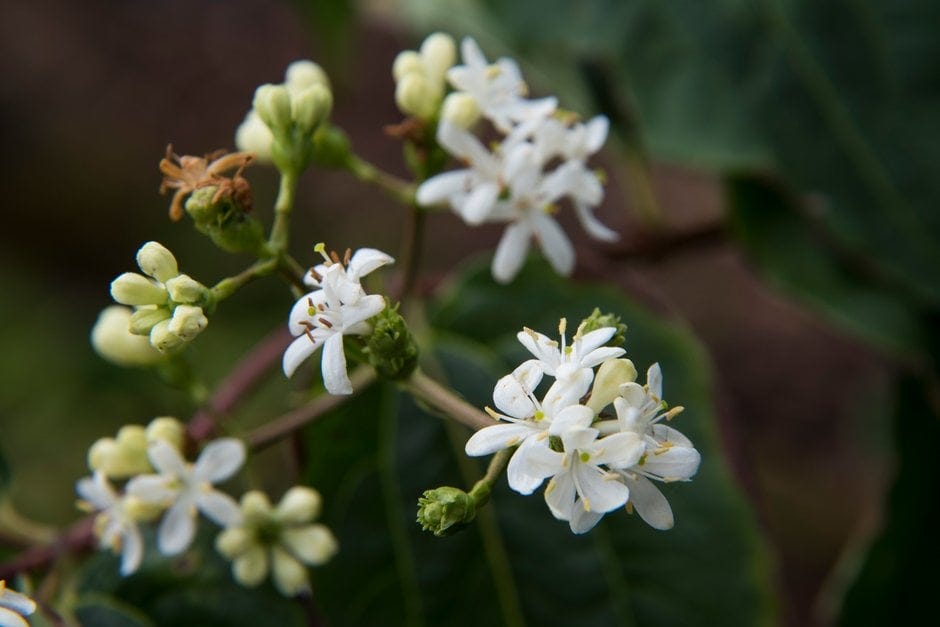
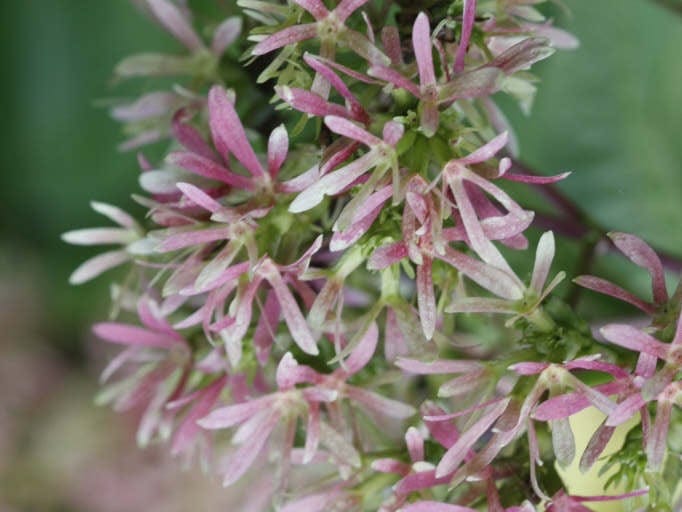
A stand-out tree in recent years for me is Heptacodium miconioides. It has ornamental bark, an interesting leaf shape, an exceptional late-season nectar source – a tree which flowers at a time of year when not many other trees do. The calyces of the flower then continue the show right into late autumn and winter. I have yet to see this plant struggle in any condition, though it will not take prolonged waterlogging.
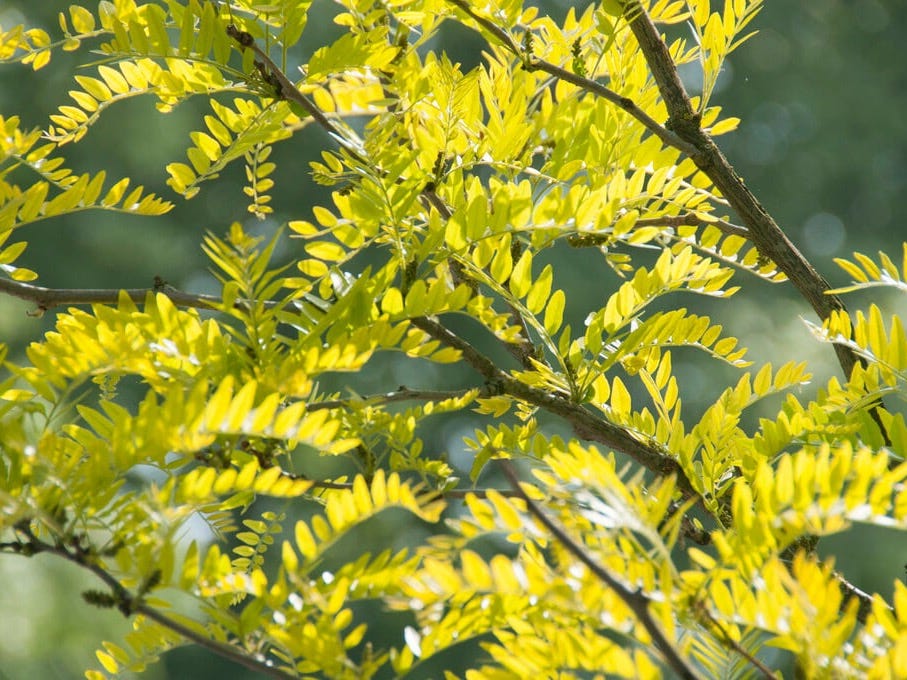
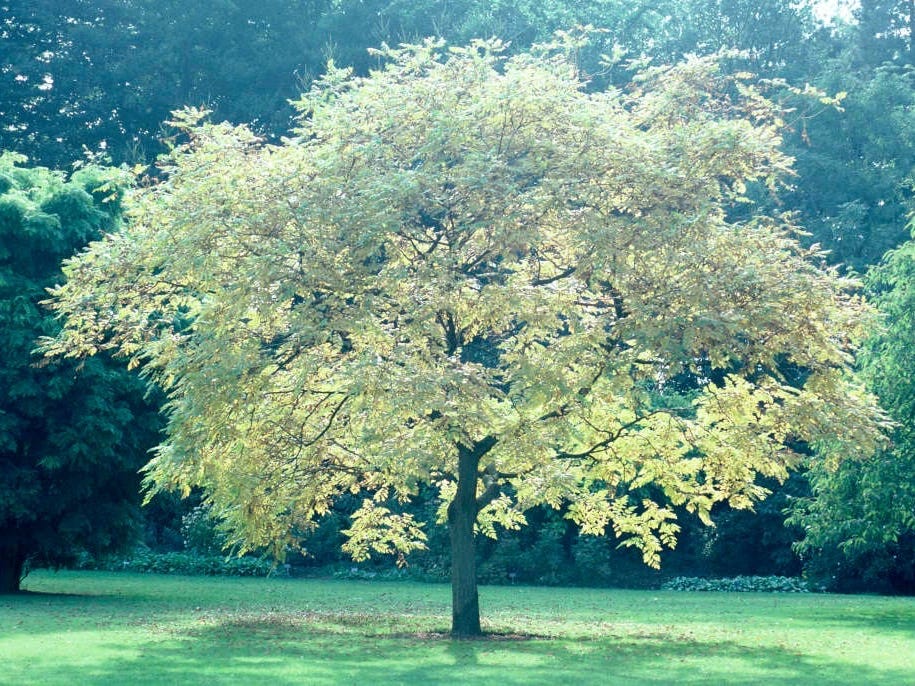
Other good examples include Gleditsia triacanthos ‘Sunburst’, Koelreuteria paniculata (multi-stem forms will stay smaller than standard forms). A tree which 20 years ago rarely flowered in the UK, Lagerstroemia, is now reliably flowering as early as July and will take any amount of heat and drought once established.
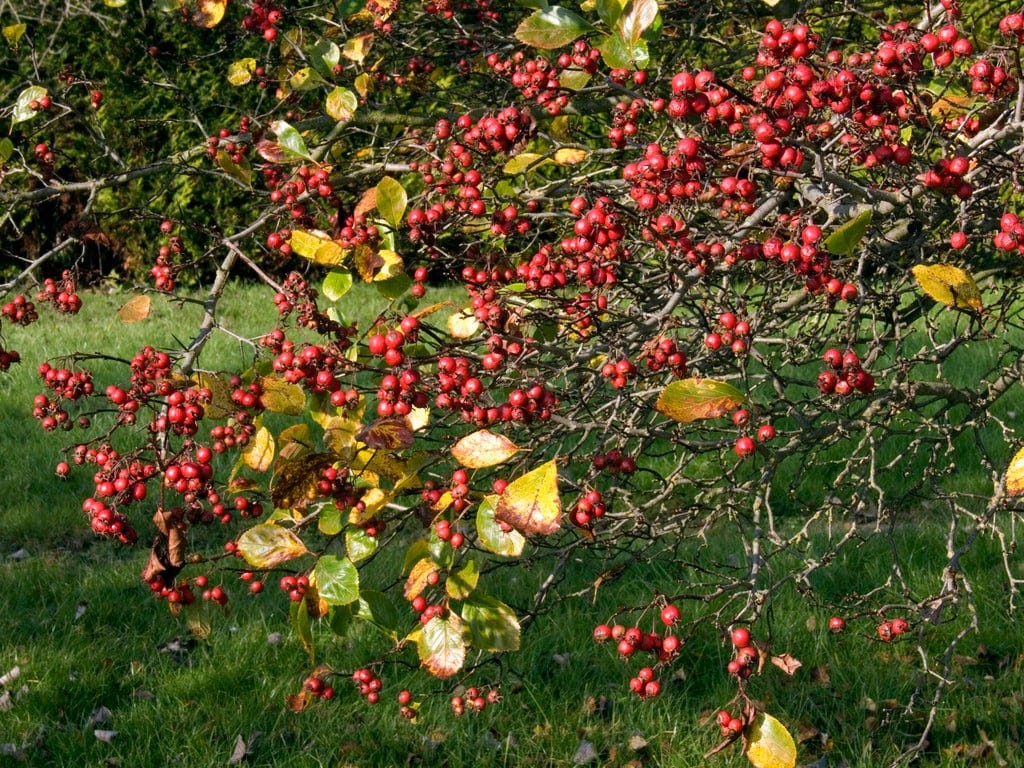
Another option would be one of the North American Hawthorns – Crataegus persimilis, for example. This tree is faring far better than Crataegus monogyna in the heat, but offers very similar biodiversity benefits to the native, such as flowers for spring pollinators, fruit in autumn and winter for wildlife and ornamental attributes such as autumn colour and architectural forms.
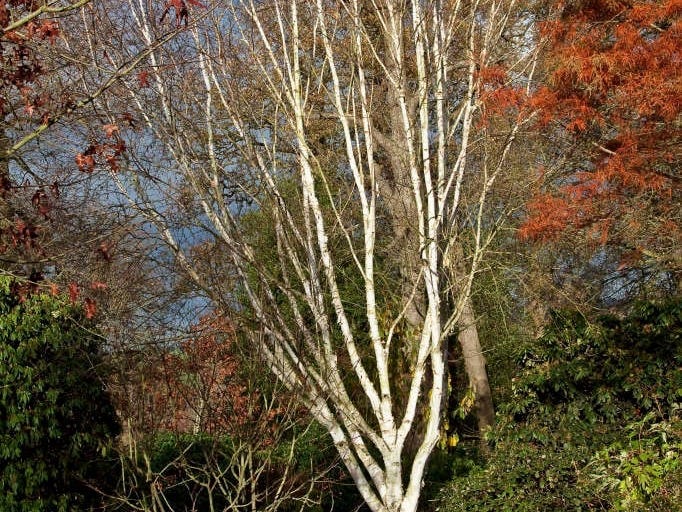
Personally, I would be looking at alternatives to Birch. I have documented how they are struggling on the roadside verges with the heat and drought, and interestingly, I am told that the French authorities have ceased to specify any further Birch planting due to its climate sensitivity, but more importantly, because the pollen, seeds and dust can trigger asthma and other respiratory conditions.
Heptacodium miconioides
Gleditsia triacanthos ‘Sunburst’
Koelreuteria paniculata
Crataegus persimilis
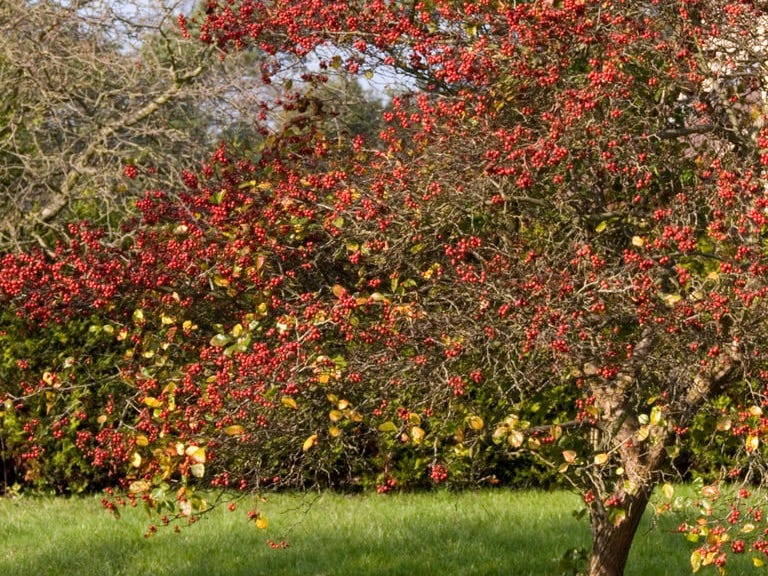
Poor Prospects
Betula utilis
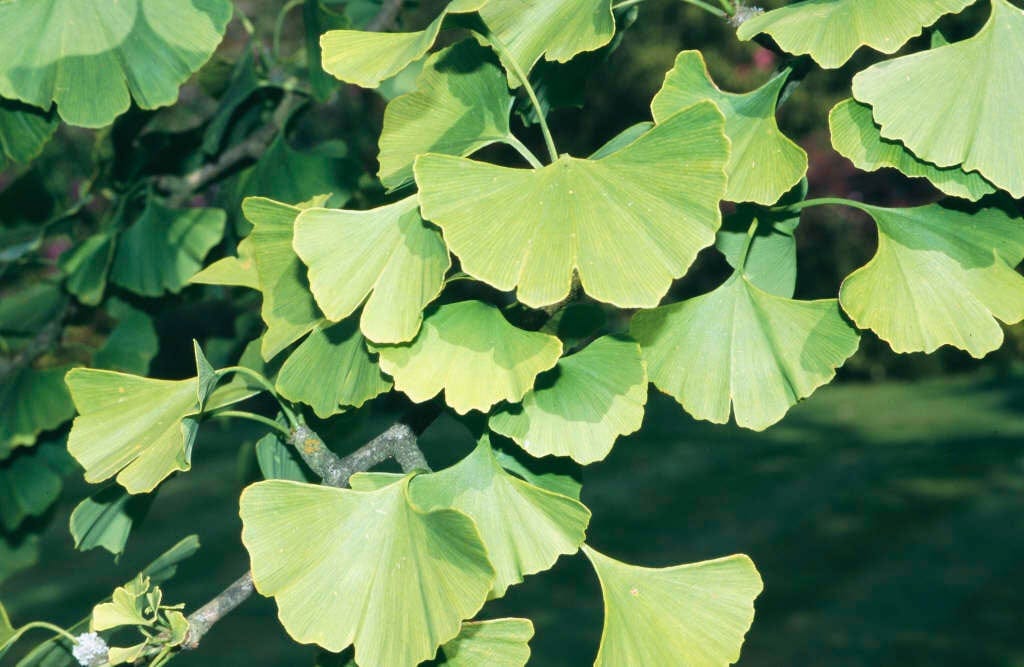
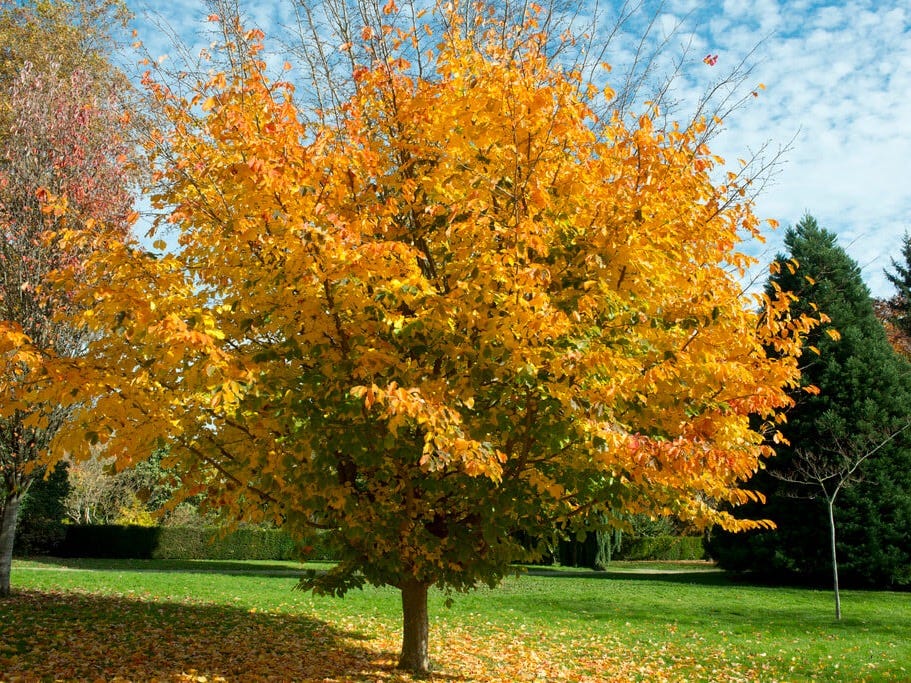
Ginkgo biloba (buttery yellow autumn colour on the broad needles), Parrotia persica (Fiery autumn colours. Plant ‘Bella’ in smaller spaces for an even more intense display.)
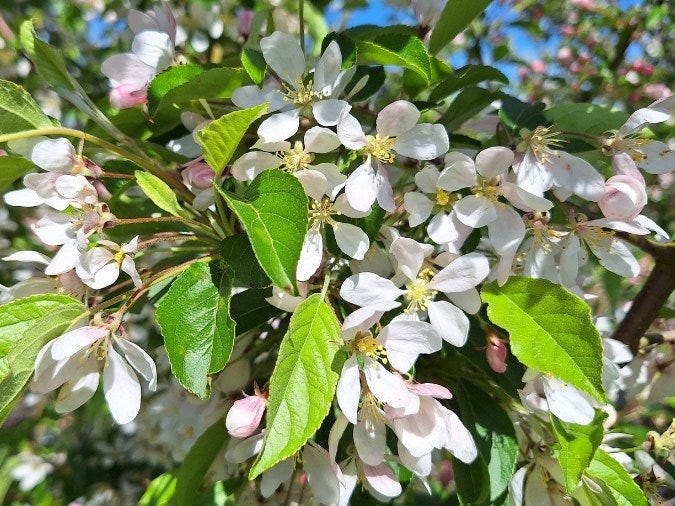
Crab apple varieties would still be a brilliant option for spring interest in small spaces but consider moving away from the more well-known varieties which have been suffering from disease issues such as apple scab. There are some fantastic newer varieties which grow extremely cleanly such as Malus ‘White Star’.
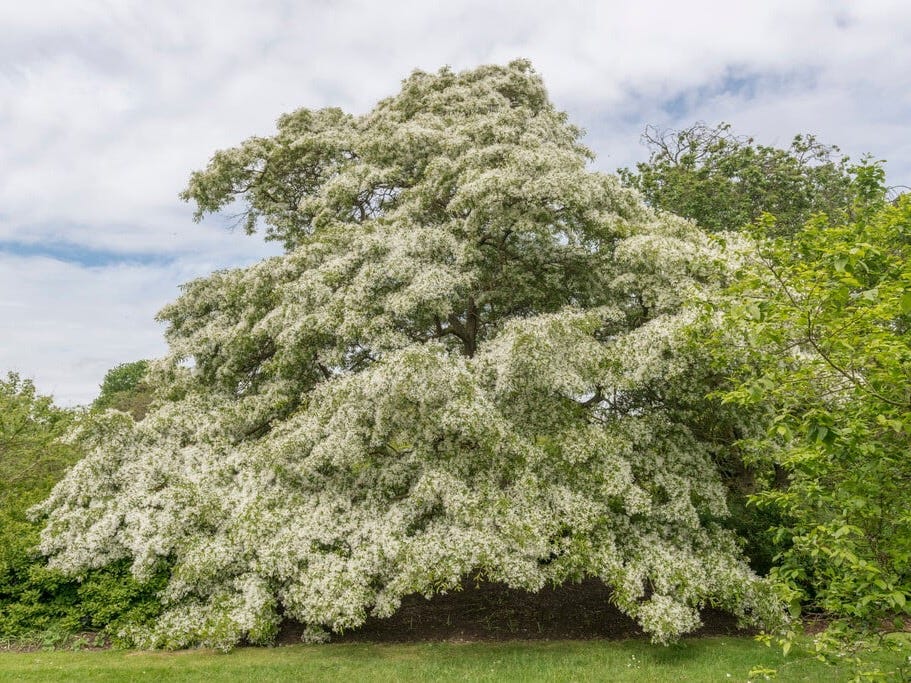
Cercis siliquastrum, chinensis and canadensis varieties offer fantastic spring interest but will perform poorly in soils which sit too wet over winter. Something slightly more unusual could be Chionanthus retusus (Chinese Fringe Tree), which is a relatively small tree that provides a fantastic display of pollinator-friendly white flowers in mid / late spring.
Amelanchier is a good option in the right place, but it does suffer when it gets hot and dry which causes it to defoliate early. Consider Amelanchier can. ‘Rainbow Pillar’ for resistance to mildews and hotter weather.
I feel Betula utilis is still overused, as is Prunus serrula. Both are nice trees if looked after correctly, but when looking at the 3600+ species of tree available in cultivation, I would always encourage a tree specifier to be a little more creative.
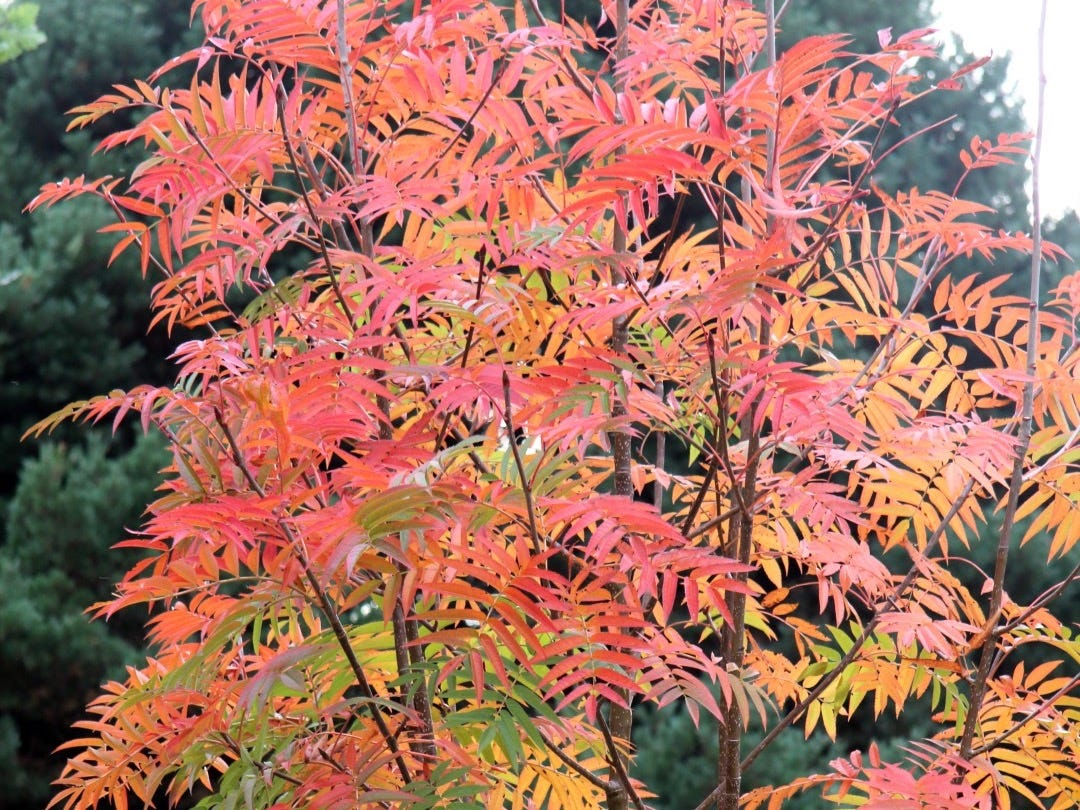
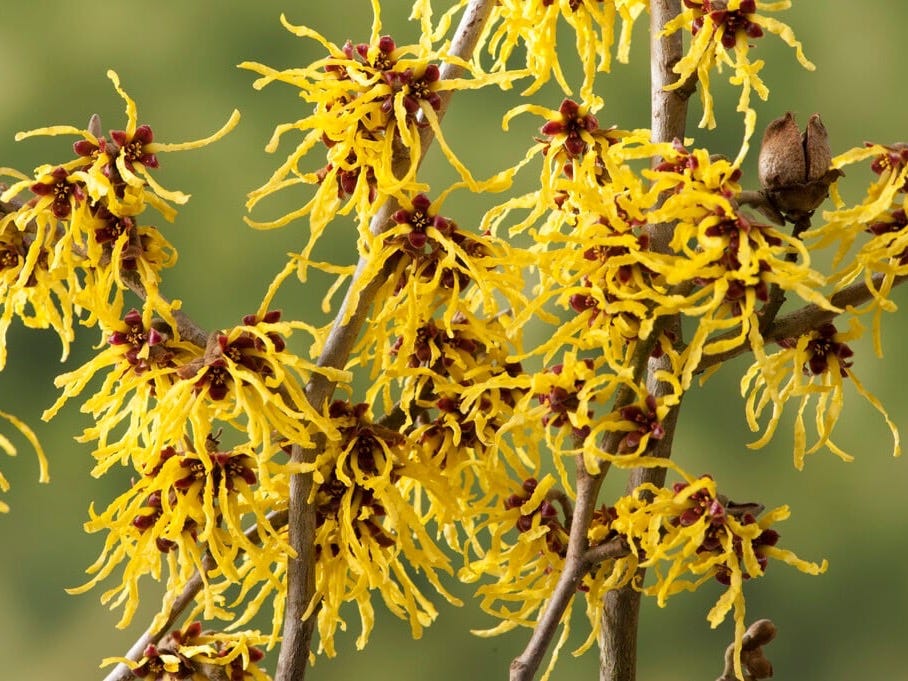
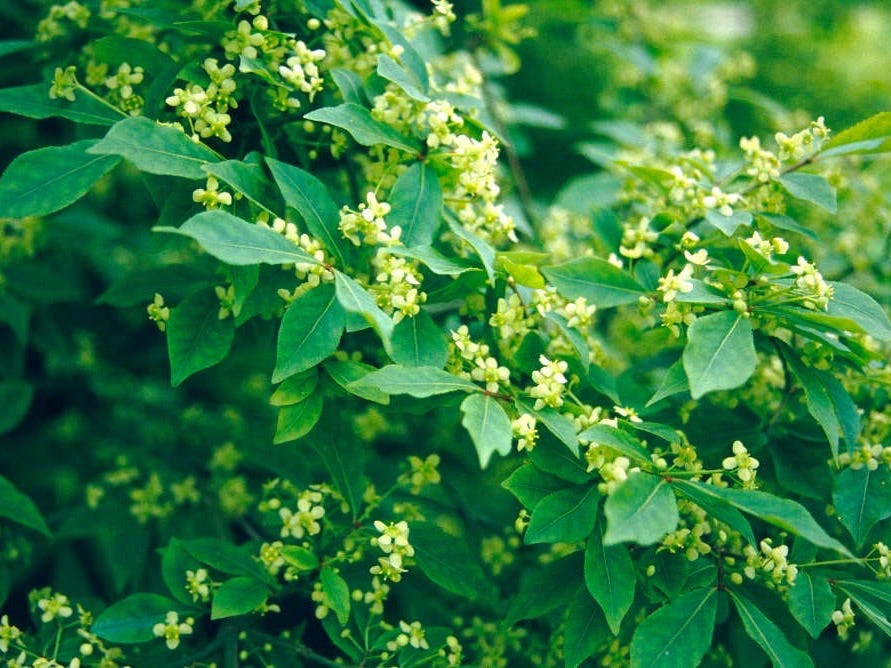
Small, multi-season interest trees are plentiful. To name but a few: Sorbus ull. ‘Olympic Flame’ (flowers, interesting pinnate leaf form, autumn leaf colour and winter berries), Hamamelis ‘Arnold Promise’ (Late-winter flowers, architectural stem form, seed pods over summer, gorgeous orange autumn colour) and Euonymus alatus (winged corky stems, interesting habit and leaf shape, deep pink/red autumn colour and incredibly interesting pink seed pods with orange centres.)
Ginkgo biloba
Parrotia persica
Malus ‘White Star’
Chionanthus retusus
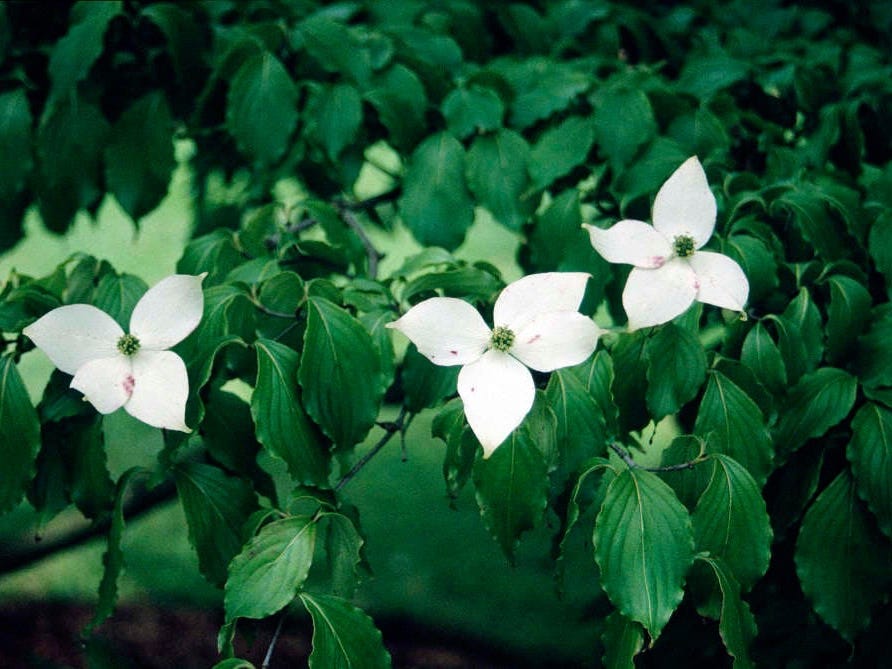
Cornus kousa
Sorbus ‘Olympic Flame’
Hamamelis ‘Arnold Promise’
Euonymus alatus
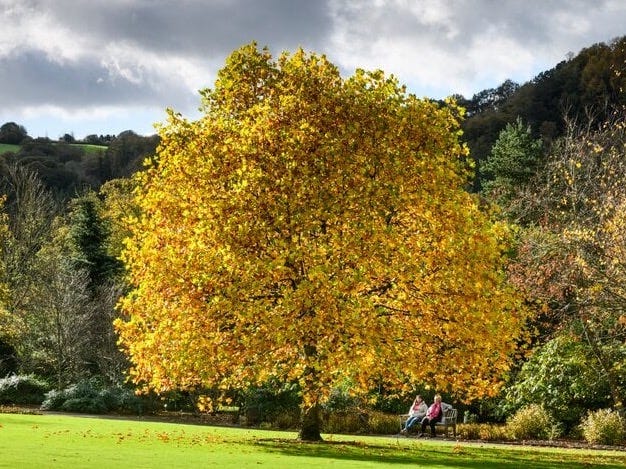
Consider Liriodendron tulipifera, or with a slightly more deeply lobed leaf, Liriodendron chinense. L. tulipifera is a North-Eastern American native, it is very resilient to the recent climate extremes we have been seeing. There are very few pest or disease issues with this tree, which grows cleanly. It is good for wildlife, but importantly, it is one of the few relatively fast-growing large shade trees available. Shade trees tend to be fairly slow-growing.
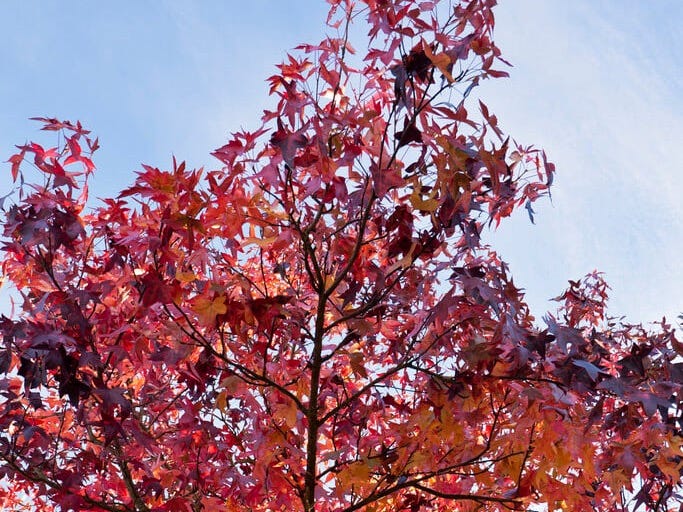
Liquidambar styraciflua has a very interesting leaf shape and fantastic autumn colour which is better still on a slightly acidic soil. Liquidambar will grow large, very cleanly and tolerate high temperatures without an issue.
Zelkova serrata is a member of the Elm family, though resistant to Dutch Elm disease. It is a large, statuesque parkland-style tree which is not only good for habitat, but Zelkova is also reported to be one of the highest carbon capture trees available commercially due to its wood density and the way it sequesters carbon.
Nyssa sylvatica and Nyssa sinensis offer brilliant autumn colours, produce fruit for birds and the dense network of branches is good for sheltering wildlife.
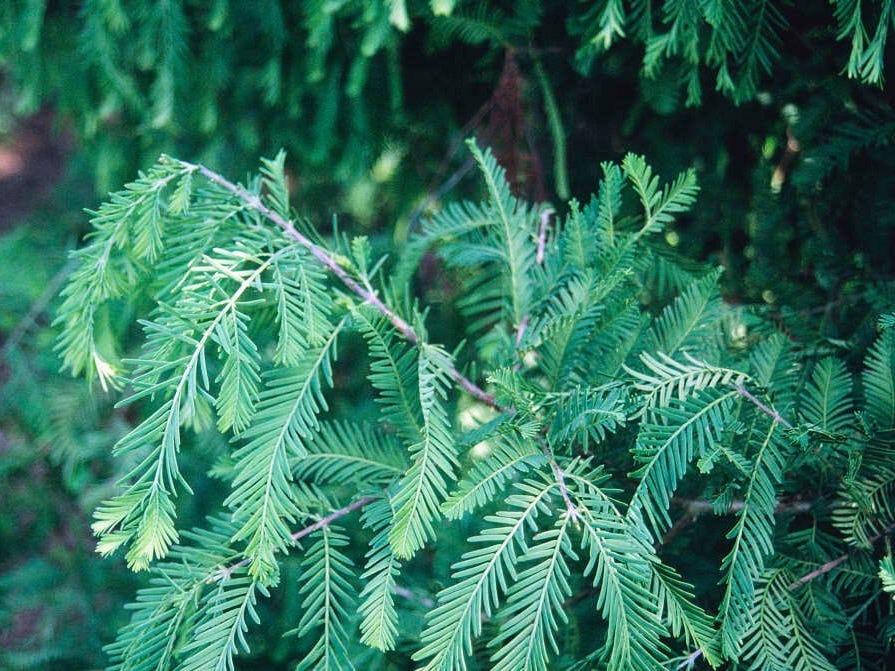
Metasequoia glyptostroboides has incredible compaction and pollution tolerance for urban spaces but will grow into a large, statuesque specimen at home in any parkland or pinetum.
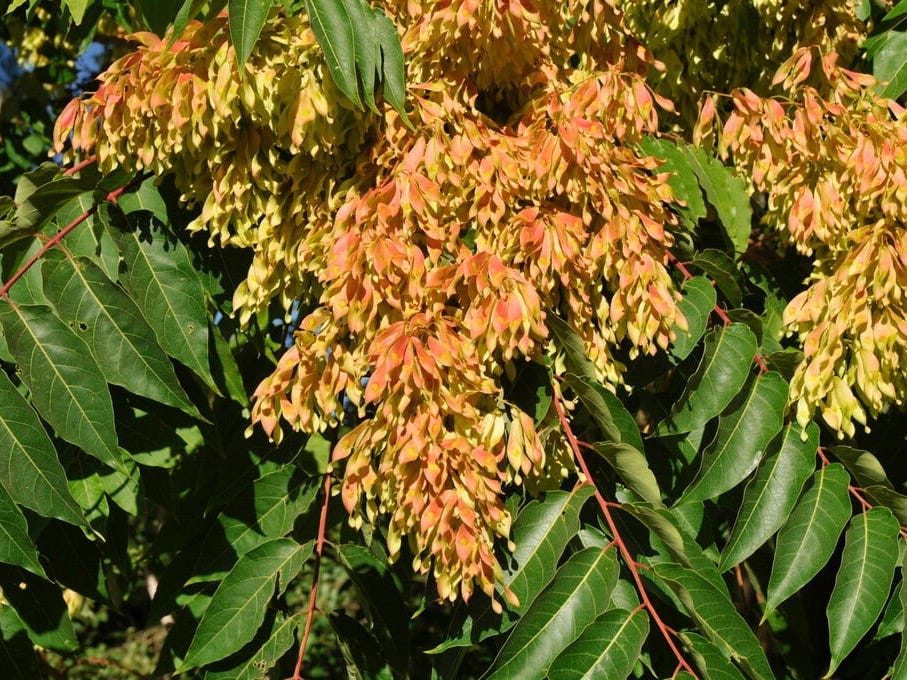
I would be looking to avoid Ailanthus altissima which is already classed as an invasive species in London.
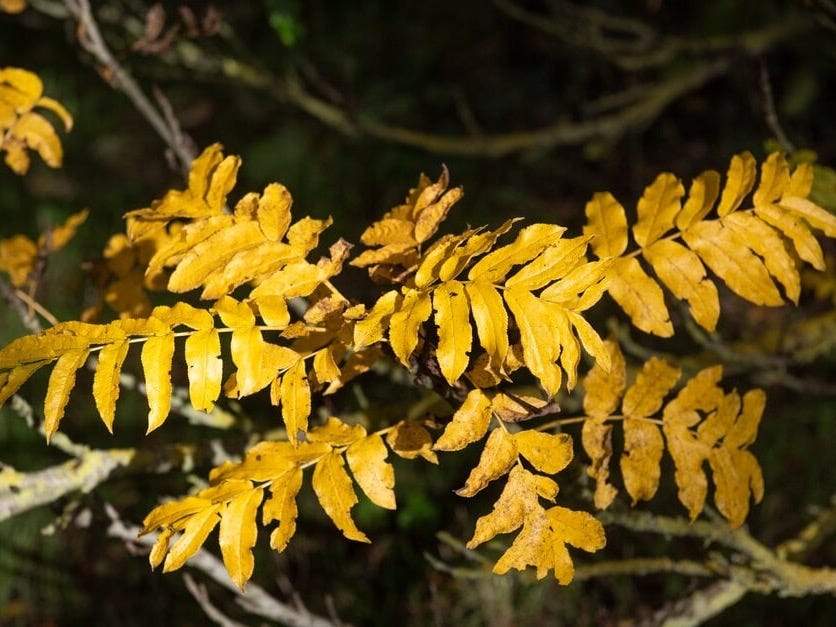
Pterocarya fraxinifolia is a beautiful tree for an arboretum or grassland setting – it can produce suckers from the root system, but in short mown grass this will not be an issue. Anywhere near paving, this may cause issues. In summary, my trees to avoid would be very situation-specific.
Liriodendron tulipifera or L.chinense
Liquidambar styraciflua
Zelkova serrata
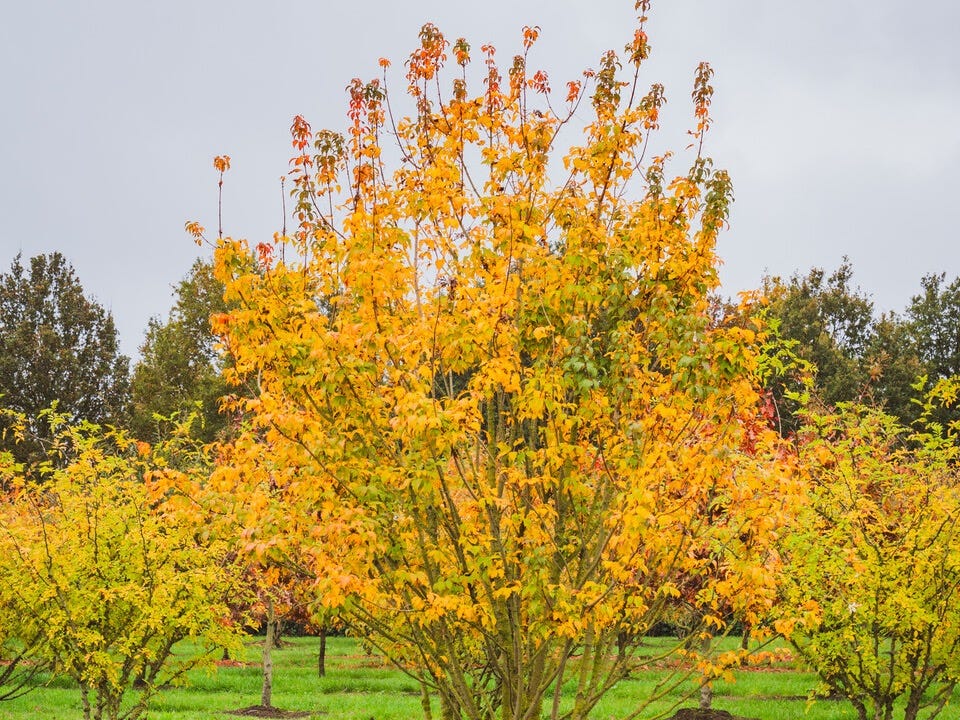
Nyssa sylvatica and N. sinensis


Metasequoia glyptostroboides
Pterocarya fraxinifolia
Ailanthus altissima
Don’t forget UV exposure when talking about climate resilience.
While a lot is being said for tolerance to drought and heat and planting trees which are drought-tolerant/ heat-tolerant, it is important not to forget UV levels, which have been around 6% higher in 2026 than they were at the baseline average during the 1980s driven by stratospheric ozone depletion.
This has led to natural phenolic compounds in the outer epidermal cells (which act as a natural sunscreen) struggling to protect the leaf. This can be seen as scorch and the response by trees may be to prematurely defoliate. It is important to consider UV tolerance when selecting tree species of the future.
Hedge your bets
Finally, avoid planting too many of the same species as this effectively creates a monocrop. This type of planting then becomes at risk to a climate event or pest/disease issue which can wipe out a whole generation of mature trees.
A great design tip when avenue planting could be to consider planting pairs of trees but changing the species to form a mixed avenue. A great example of successful mixed avenue planting is along Pagoda Vista at RBG Kew.
As with so much in gardening, it really does depend on the situation – I am a huge advocate for Juglans nigra however, avoid if you would like healthy underplanting as this tree has allelopathic properties in an attempt to eliminate competition.
There is no single tree that is going to be the perfect investment everywhere. But with careful thought and by taking the time to help your tree get established, you can look forward to decades of sound returns. The key to a resilient treescape is to create one that is diverse. A combination of native’s, exotics, large shade trees, small pioneer trees, evergreens, deciduous and trees with different provenances will create the best scenario for tree establishment in the UK to stand up best to future challenges.
Eliot Barden was named UK Young Grower of the Year in 2022 and AIPH International Young Grower of the Year in 2023. He holds the Kew Diploma with distinction.
All images have been sourced from the RHS.

